
How Your Taco Catering Customers Actually Search, and Why It Costs You Bookings
The words customers type when they look for taco catering, taco trucks, and taqueros, and how to phrase your pages so the right people find you.
You cook tacos people remember. Guests take your number at the party, and referrals keep you busy through the season. Then someone new opens Google, types a few words, and books the caterer who happened to show up first. That gap between the food you serve and the words a stranger types is where bookings quietly leak away.
Most customers never search with the words a caterer would use. You call it taco catering. A parent planning a birthday types “taco truck for party.” The bride planning a wedding types “taquero for wedding.” Someone weighing options types “taco catering near me” and clicks whatever loads first. Google can only show your business for the words it understands. Say what you do just one way, and everyone searching with a different phrase looks right past you.
One Service, Many Different Searches
Every phrase a customer types tells you what they are worried about before they ever call. A wedding search worries about timing and presentation. An office lunch search worries about reliability and easy ordering. Read the phrase, understand the concern behind it, and match your page to the want rather than to the exact words, so you stop sounding like a keyword list.
| What the customer types | What they actually want | What your page should make clear |
|---|---|---|
| “taco catering near me” | A local option they can book soon while comparing a few | The cities and areas you serve, stated plainly |
| “taco truck for party” | Fresh tacos cooked at their event, whatever you arrive in | Your on-site setup, described in everyday words |
| “taquero for wedding” | Someone who can handle timing, guest count, and presentation | Weddings you have worked and how you run the night |
| “taco catering for office lunch” | Reliability, simple ordering, fast setup | Company lunches named, with the logistics reassured |
| “taco catering Riverside” | A caterer local to them or to their venue | A real page about serving that specific city |
| “taqueros para fiestas” | Tacos at a party, plus a sense of price and availability | Copy or answers that use the words they recognize |
None of these searchers care what you call your business. They care whether you can feed their people well on their date. When your page answers the want instead of echoing the keyword, the reader feels understood, and Google gets a cleaner read on who you serve.
Those six rows are a sample. I pulled the real search data from 13 live taco catering websites to see what people type before they book, and once you rank those phrases by how often each one actually came up, the order is not what most caterers expect. It is all in a free report at the bottom of this page: see the real numbers.
Why “Taco Truck” Searches Still Belong To You
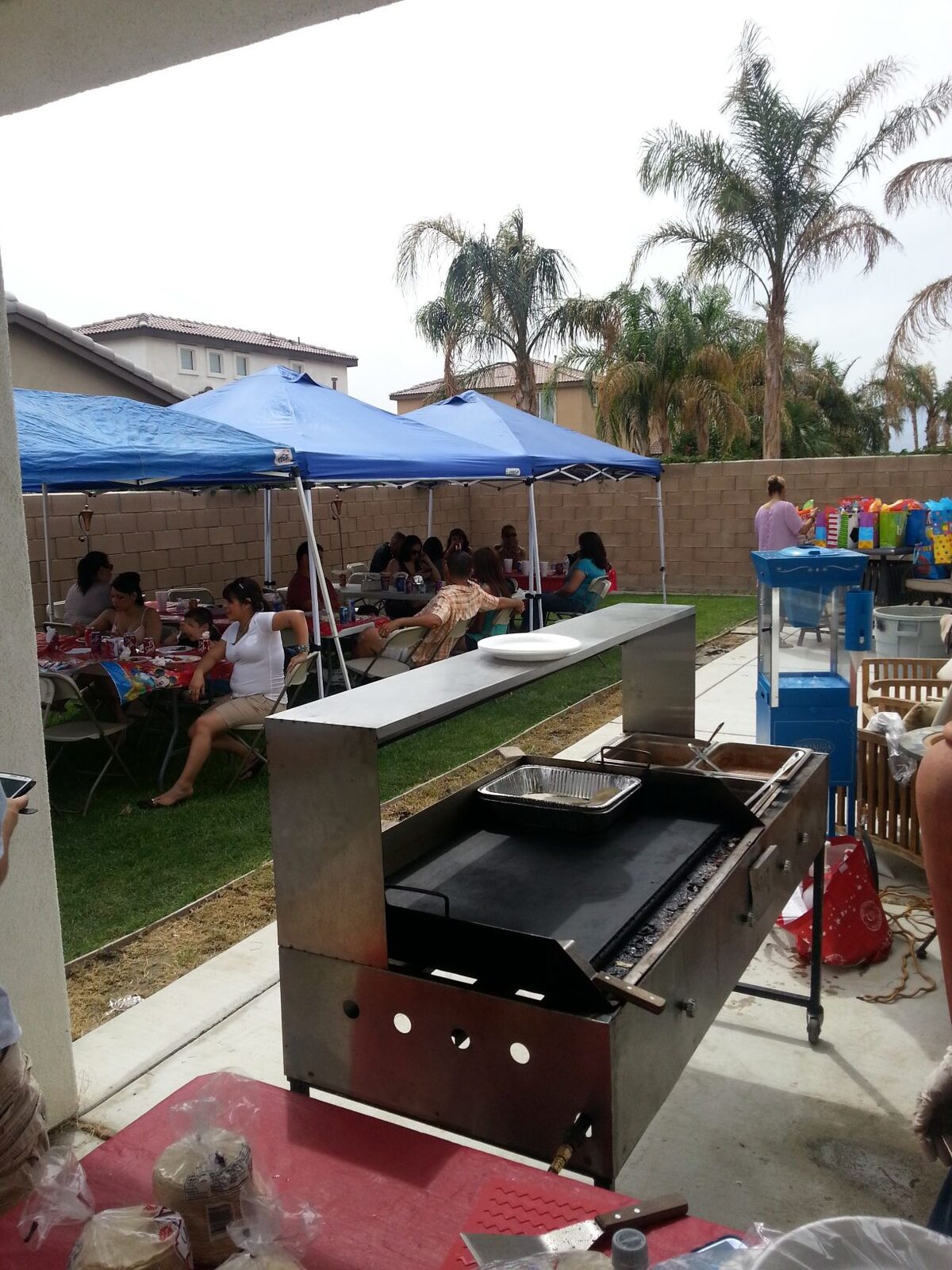
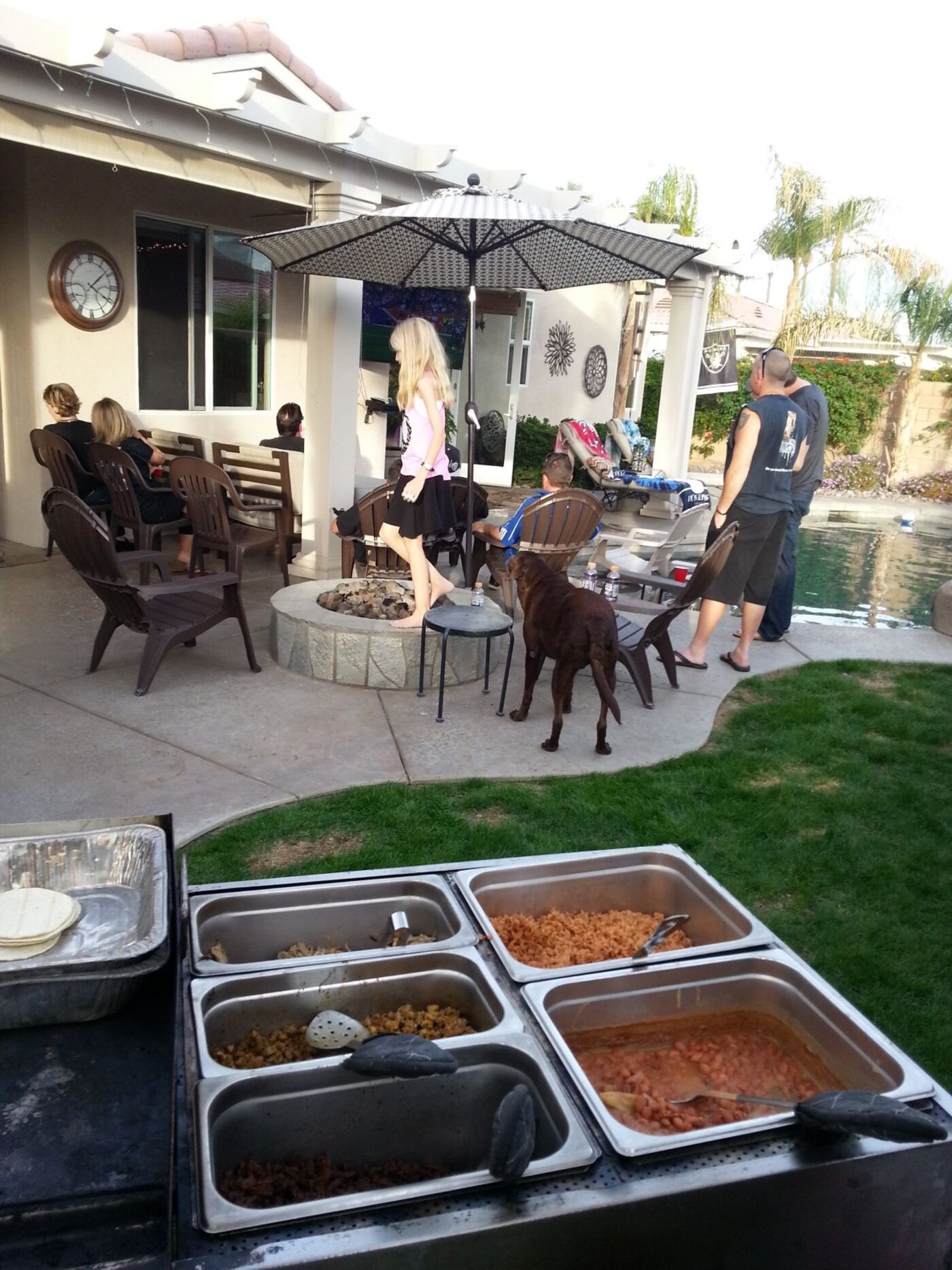
Plenty of customers say taco truck because it is the only phrase they know. They are not picturing a specific vehicle. In their head they see someone rolling up, firing a grill, and handing out fresh tacos while the party keeps going. Whether you bring a cart, a tent, or a full on-site station, that is the experience they are booking.
You do not have to pretend to be a truck to catch those searches. Describe what you actually do in words a customer already understands. A line like “I bring an on-site taco setup and cook fresh at your party, wedding, or company event” tells the reader exactly what they get. It also hands Google far more context than a vague “we cater events.”
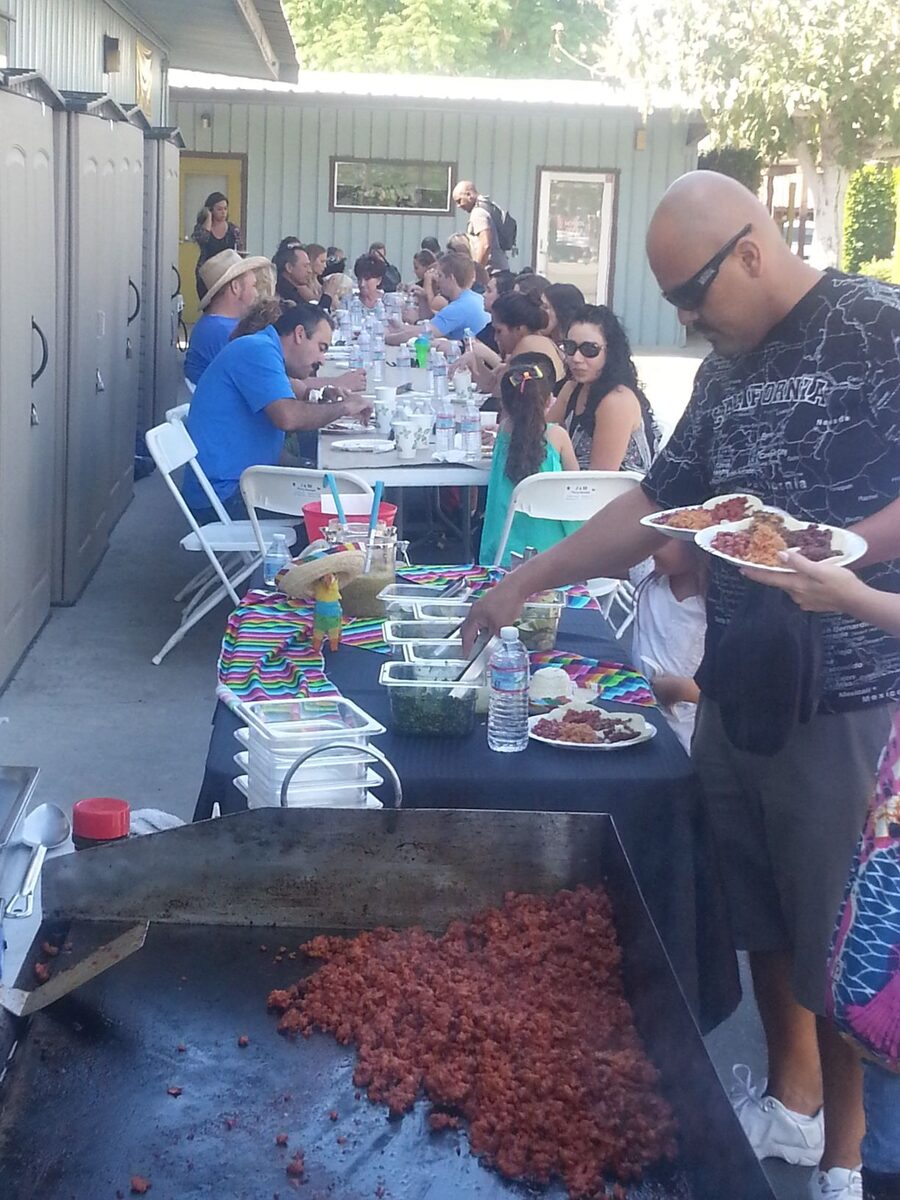
That specificity is also what sets you apart from the generic taco truck a customer half remembers. Anyone can park and reheat. Cooking from the grill in front of guests, plating it hot, and running the line yourself is a different thing. Saying so on your page is how a stranger learns that before they ever call.
Name The Events And Cities You Actually Want
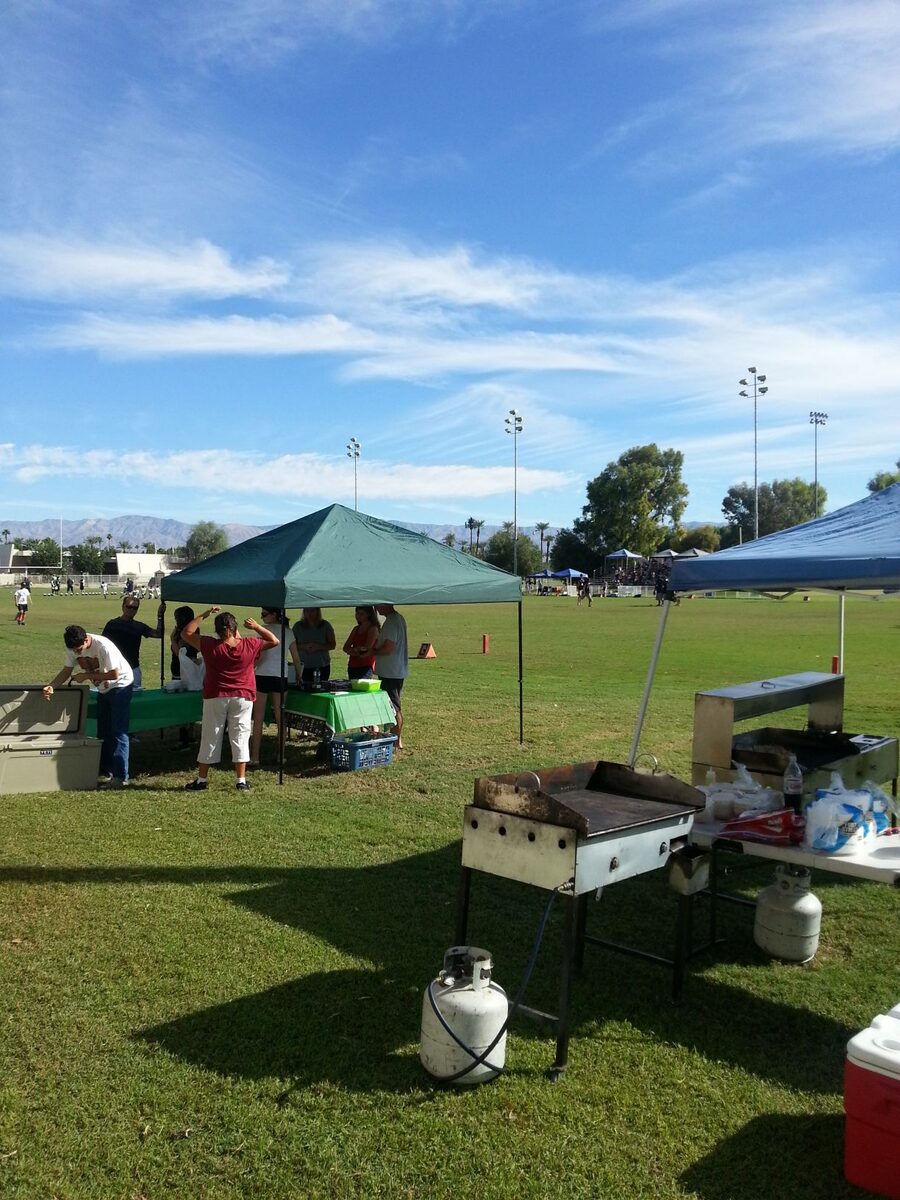
Customers often search by the event on their calendar rather than by your service. A parent looks for graduation party catering. The office manager looks for a quick company lunch. When your site names the events you actually want, the right customer feels like they landed in the right place, and Google sees plainly what you do.
Spell out the ones you want on the page.
- weddings
- birthdays
- graduations
- quinceañeras
- company lunches
- backyard parties
- school and holiday events
People also search with a city attached, like taco catering Riverside or taco catering Palm Springs. Some of them live there. Others are booking from out of town for a venue across the county. Either way, clear service areas and a real city page help them, and help Google, place you correctly.
A city page earns its spot only when it says something true about serving that city. Swapping the city name into the same paragraph over and over is the fast way to look like every spam page Google already ignores. Explain what you cook there, the events you serve there, and how someone reaches you. Done that way, the page does real work for a real reader. If you want the full breakdown, read How to Show Up When Someone Searches for Taco Catering in Your City.
When Customers Search In Spanish
In a lot of markets, some of your customers look for you in Spanish. A search like taqueros para fiestas or cuanto cobra un taquero tells you two things. Those customers want tacos brought to a party, and they want a sense of price before they reach out. You do not need a full Spanish site on day one to meet them.
A short step goes a long way. Add a few lines of Spanish to your main page, or a small set of Spanish answers covering price, service, and dates. That way a Spanish speaking parent finds words they recognize instead of bouncing to the next result. The same rule holds in either language. Write for a real person first, and let the search terms sit naturally.
Between English and Spanish, event words and city words, the list gets long fast. Most of it will never bring you a single gig. The free report at the bottom of this page separates the phrases that actually put quotes in your inbox from the ones that just look busy: jump down and grab it.
What Your Website Has To Make Obvious
Strip away the SEO talk and your website has one job. It answers three plain questions for Google and for the customer.
- What do you do?
- Where do you do it?
- Who is it for?
For a taco caterer, one clear sentence can carry all three. Something like “taco catering for weddings, birthdays, graduations, company lunches, and backyard parties across [your service area]” names the service, the events, and the geography in a single breath.
A handful of pages then hold that promise up.
- your homepage explains the business at a glance
- your menu or service page shows what people can actually book
- your gallery proves it with photos from real events
- your contact page makes reaching you effortless
- your location pages carry the cities that matter most
- your Google Business Profile backs all of it with photos, reviews, posts, and correct service areas
Of those, your reviews do more heavy lifting than most owners expect. A steady stream of recent, honest reviews is one of the strongest signals Google uses to rank local businesses. Asking a happy client to leave one is rarely wasted effort.
Clear beats clever every time, for the customer and for the algorithm.
The one habit to avoid is building pages that read like a keyword list. A block that repeats taco catering Riverside, Riverside taco catering, taquero Riverside line after line does not build trust. It reads as someone trying to trick a search engine, and Google now treats that exact pattern, long lists of cities and repeated phrases, as spam it pushes down.
Where To Start This Week
If your site or your listing feels vague right now, you do not have to fix everything at once. Pick a few of these and work down the list.
- Add your main service area to your homepage.
- Name the event types you actually serve.
- Post recent event photos to your Google Business Profile.
- Check that your listing category and service areas are correct.
- Add a short set of answers to the questions people ask before booking.
- Build or sharpen a page for the one or two cities that matter most.
Each fix makes your business a little easier to understand, and easier to understand is what turns a search into a booked date. Start by making it obvious what you cook, where you cook it, and who you cook it for, and the right customers have a far easier time choosing you.
Keep Going
- If you want the big-picture plan, start with Why the Best Taco Caterer in Town Still Stares at an Empty January.
- If your biggest problem is Google visibility, read Why Your Taco Catering Business Isn’t Showing Up on Google.
If you want help instead of doing all of this yourself, see the services above.