

A Taco Catering Website You Own That Actually Books Gigs
Not Instagram’s algorithm, not Yelp’s review filter. One place online that belongs fully to you.
If someone Googles your business right now, what comes up? For a lot of taco caterers the honest answer is not much, and that gap quietly costs them bookings.
You might see an Instagram page whose last post is from March. Right under it could sit a Facebook listing with year-old prices, a Yelp profile you never made, or nothing at all. None of that tells a stranger you are the right caterer for their party.
That gap bites hardest in winter. Your weekends fill from spring through fall on referrals, and then the calendar goes quiet and the scramble starts. The caterers who stay booked through the slow months are not better cooks. They are simply the ones people can find.
A website is the one place online that belongs fully to you. Not Instagram’s algorithm, not Yelp’s review filter, not a Facebook page people have to be logged in to see. It explains what you do, shows your food, names the cities you serve, and hands people a clear way to book. I build these sites for taco caterers, and I ran a cart myself from 2012 to 2021, so I know exactly what a taco catering site has to do. You get a one-time build, and you own it the day it goes live.
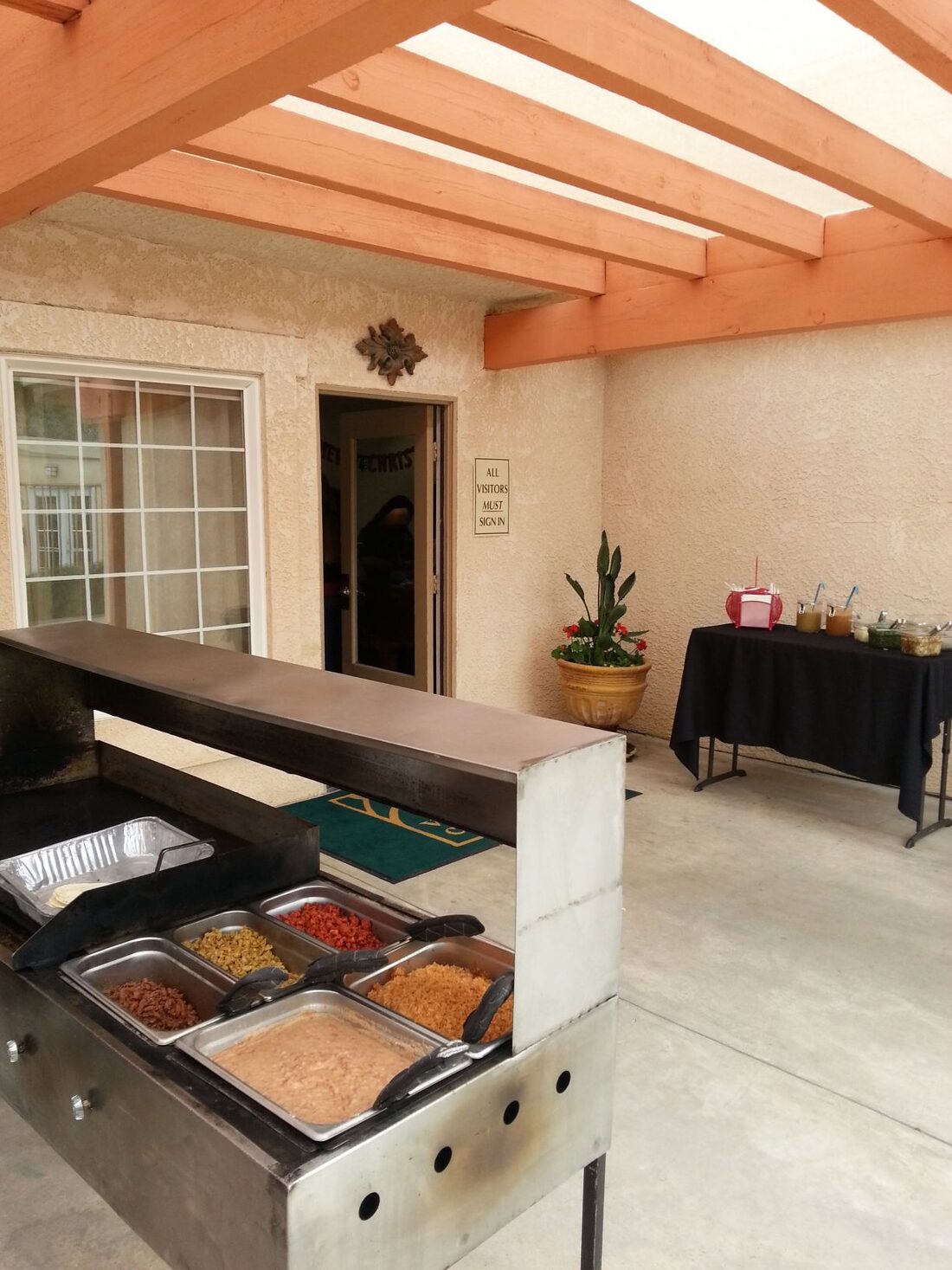
I Build It, You Own It, No Monthly Trap
A lot of small business website deals quietly turn into a bill you pay forever. That is the trap, and it is not how this works. I build the site, hand it over, and make sure you understand exactly what you own. If normal hosting or domain costs apply, I explain them in plain terms before we start.
Nobody forces a subscription on you, and nobody holds your domain hostage. You own your presence outright instead of renting it from someone else.
This also gets you off the lead-reseller treadmill. Thumbtack and Bark take your money and hand the same lead to other caterers, so you end up fighting over scraps. Your own site sends every request straight to you and nobody else. You stop feeding the platforms that profit from reselling you and start owning your own pipeline.
What Your Site Needs to Turn a Search Into a Booking
Before anyone calls you or fills out a form, they are running through the same questions in their head. A site that answers them fast is a site that books gigs. Here are the questions I see come up over and over:
- Does this caterer do taco catering for my kind of event?
- Do they serve my city?
- What food and packages do they offer, and what does it cost?
- What does the setup actually look like?
- How do I reach them?
- Can I trust them with my wedding, party, or company event?
I handle every part of answering those. You tell me about your setup, and I write the pages, organize the photos, and build the quote form that does the real work.
Homepage
The homepage tells people who you are, what you do, where you serve, and how to reach you. Within the first few seconds it should be obvious that you bring an on-site taco catering setup to events. No vague slogans or walls of text get in the way, only the facts a customer needs to keep going.
Menu and Services Page
Customers want to know what they can actually book before they reach out. This page lays out your taco packages, guest count ranges, meats, sides, salsa options, and add-ons. If you post per-person or starting prices, we show them. Caterers who quote every event custom get a clean request path instead.
Photo Gallery
Your photos do a lot of the selling for you. I lay out your best shots so people can see the cart, the food, the setup, your team, and the finished plates. Real phone photos work fine as long as they are clear, and they beat stock images every time.
Contact and Quote Form
This is where the site earns its keep. The quote form is built into your WordPress site and collects the basics, including event date, event type, guest count, city, phone, email, and any notes. Every request lands straight in your inbox or on your phone, so you can answer while the event is still warm.
Built for the Phone
Most people looking for catering are searching on their phones, so the site has to work on a small screen. Buttons need to be easy to tap, photos need to load fast, and forms need to stay short. If someone has to pinch and zoom just to request a quote, that gig is already gone.
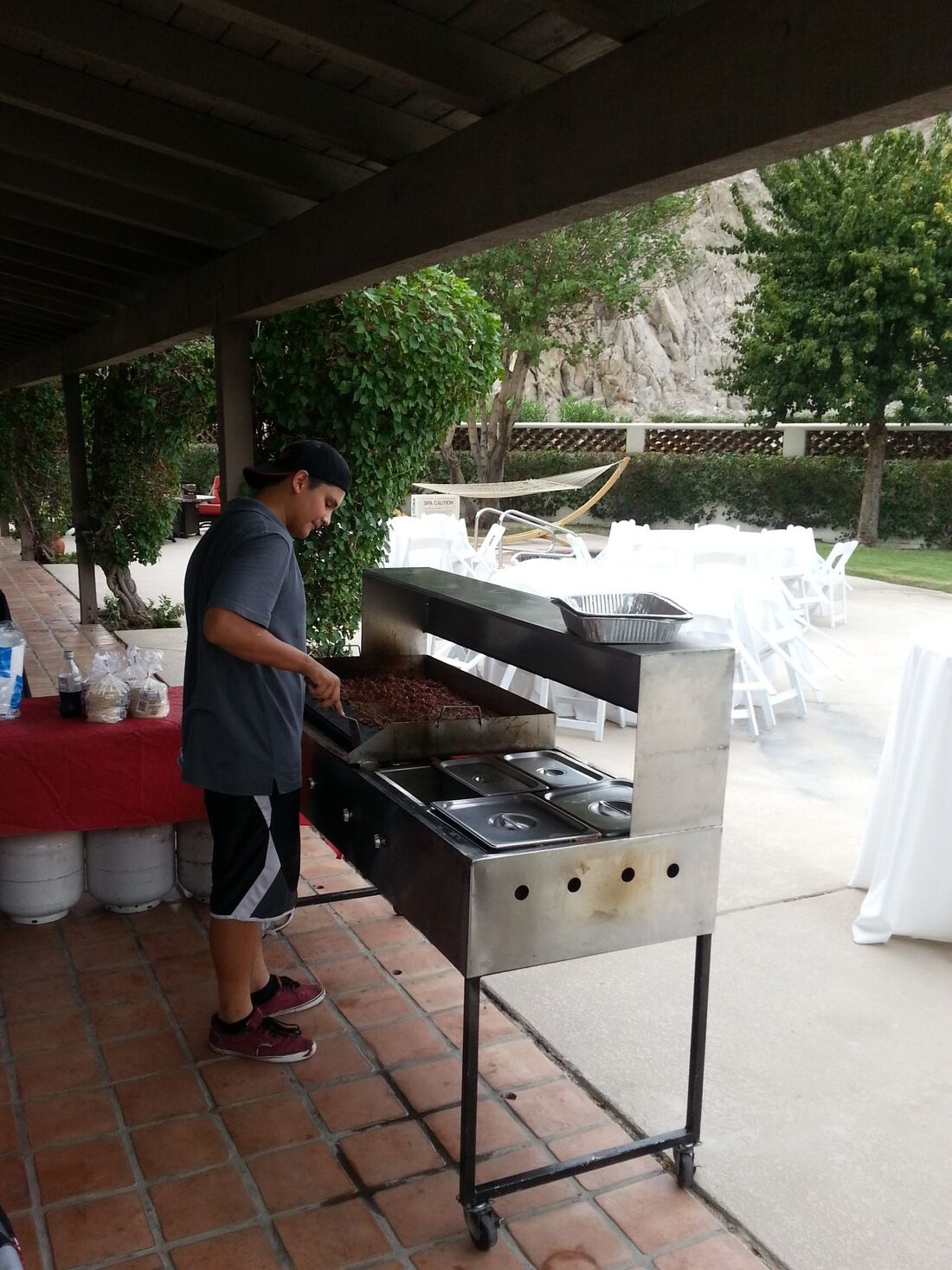
Location Pages Get You Found City by City
One line that says you serve Southern California will not get you found in every town. People search for taco catering plus a city name, like “taco catering Riverside” or “taco catering San Diego,” and Google shows the businesses it can clearly tie to that place. A real page for that city puts you in the running. Without one, you probably stay invisible to those searchers.
A location page is one page on your site for one city you serve. It describes your service there, names the events you handle in that area, and gives Google what it needs to match you to local searches. You do not need dozens of them. Start with the three to five cities where you already work or want more gigs, and each page becomes another way for strangers to find you.
I build these pages as part of your site. Each one starts with real research into the area, real copy, and a genuine page structure rather than a template with the city name swapped in. If you already have a site you like and only want location pages added, I do that too and work with what you already have, no rebuild required. Pricing is in the table below.
Want the full picture of how this works? I wrote a walkthrough: How to Show Up When Someone Searches for Taco Catering in Your City. But if you would rather skip the reading and have me handle it, that is what this service is for.
If your Google listing needs work alongside your site, I offer that separately: Google Business Profile Management. A good Google listing and a good website work together.
How the Build Works
The whole thing runs in three steps, and most builds take two to three weeks from start to launch. How fast we move depends on how quickly we pull together your photos, menu details, and service areas.
- Tell me about your business. I ask what you serve, where you serve, the size events you want, what makes your setup different, and what photos you have. If you already have a site, I review it, and if you only have social media, that works fine too.
- I build the site. I write the pages, organize your photos, set the structure, and make sure everything works on phones. You look it over and tell me what to change.
- We launch and you own it. Once you approve the site, we put it live. I hand over the details and explain what you own, where the site lives, and what costs to expect going forward.
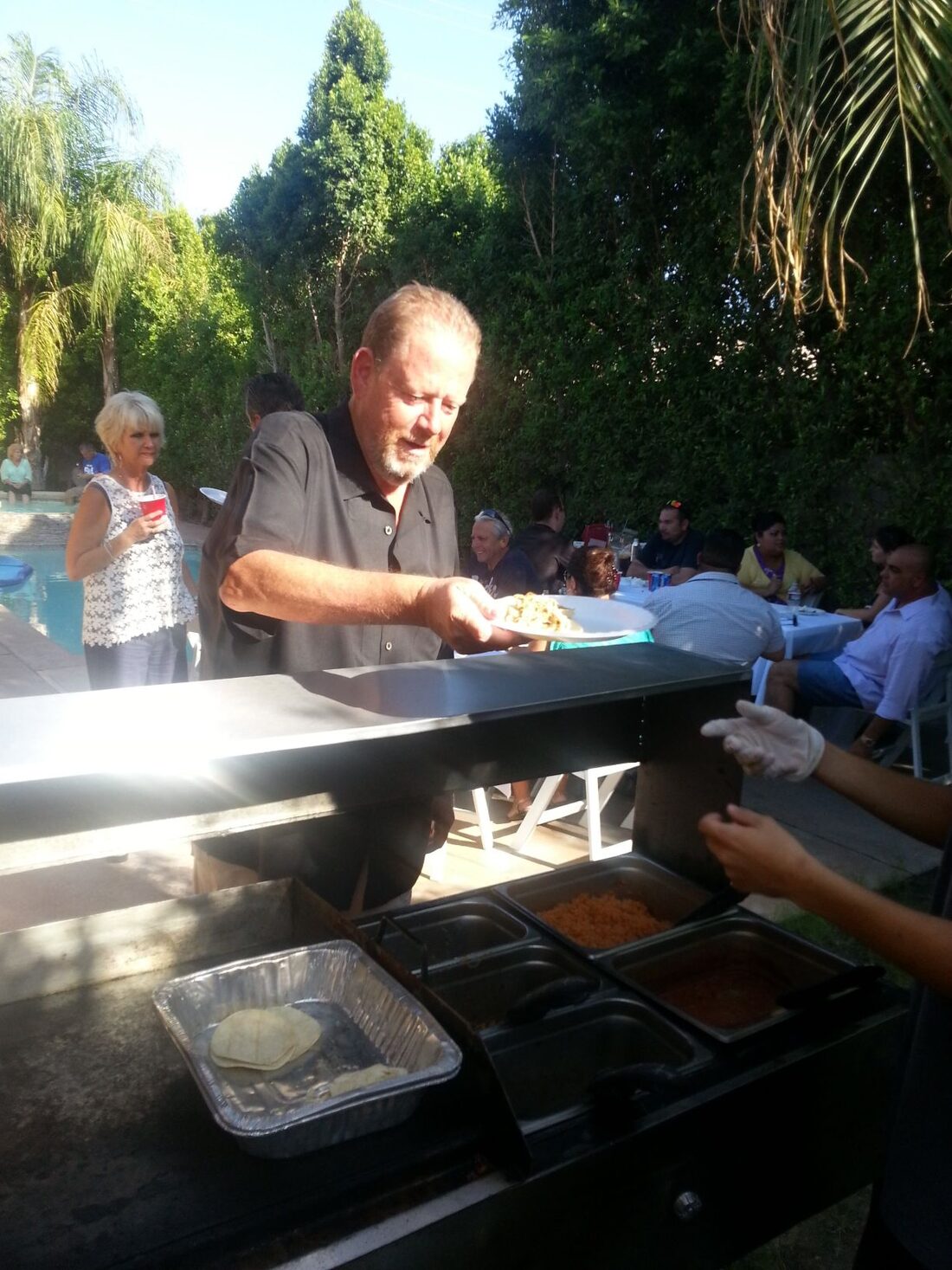
The Doubts You Probably Have
“I Already Have Instagram”
Instagram is great for showing off your food, and your posts can even surface on Google now that public business accounts get indexed. That still does not make it a booking tool. People miss posts in a busy feed, accounts get hacked, and nobody wants to dig through a grid to find a menu, a service area, and a phone number. Your own site gives them one clean place to land and one clear button to press.
“My Nephew Built Me a Site”
If that site is booking you gigs, keep it and do not touch a thing. But old photos, a missing booking form, no city pages, and a generic template can quietly cost you work. I can look at what you have and tell you the truth about whether it earns its keep.
“I Do Not Need a Website”
Maybe you do not, at least not today. If word of mouth fills every weekend and you are turning good events away, you are in a strong spot. But when winter goes quiet, or a stranger wants to compare you against other caterers and book without hunting for your Instagram link, a real site starts to pay for itself. Word of mouth fills the circle you already have, while a website reaches the people standing outside it.
If you are still thinking it over, I wrote a deeper look at the decision: Does a Taco Catering Business Need a Website?
Pricing
Two one-time packages cover most caterers, and neither one carries a monthly website fee. I build it once, and you own it from there.
Website Packages
| Package | What’s Included | Price |
|---|---|---|
| Standard Site | 5 core pages: Home, Menu/Services, Photo Gallery, Contact/Quote, About | $500 |
| Growth Site | Everything in Standard + 5 location pages + 1 additional service page | $750 |
The Standard Site gives a customer everything they need to find you, see your food, and request a quote. The Growth Site adds the location pages that help you show up city by city, plus one service page built around whatever your customers ask for most, whether that is weddings, corporate events, or something else.
Adding More Location Pages
Want to reach more towns? Add location pages to any package, and if you already have a site, you can order them on their own with no package required.
| Quantity | Price per Page | Total |
|---|---|---|
| 1 page | $100 | $100 |
| 5-page bundle | $70 | $350 |
| 10-page bundle | $60 | $600 |
Start with the cities where you already work or where you want more gigs, and add more whenever you are ready. If any normal hosting or domain costs apply, I explain them clearly before you pay for anything.
Tell Me About Your Business
Send me a quick note about what you do. I will put together a plan for your site, including which pages to build first, which cities to target, what photos you need, and what can wait. The conversation costs you nothing, and it is the quickest way to size up whether I actually get what you do before you spend a dime.
See the Services
- Google Business Profile management: the weekly upkeep that keeps your listing ranking.
- Taco catering leads: real people reaching out, already looking for taco catering in your area.
- Compare all services