
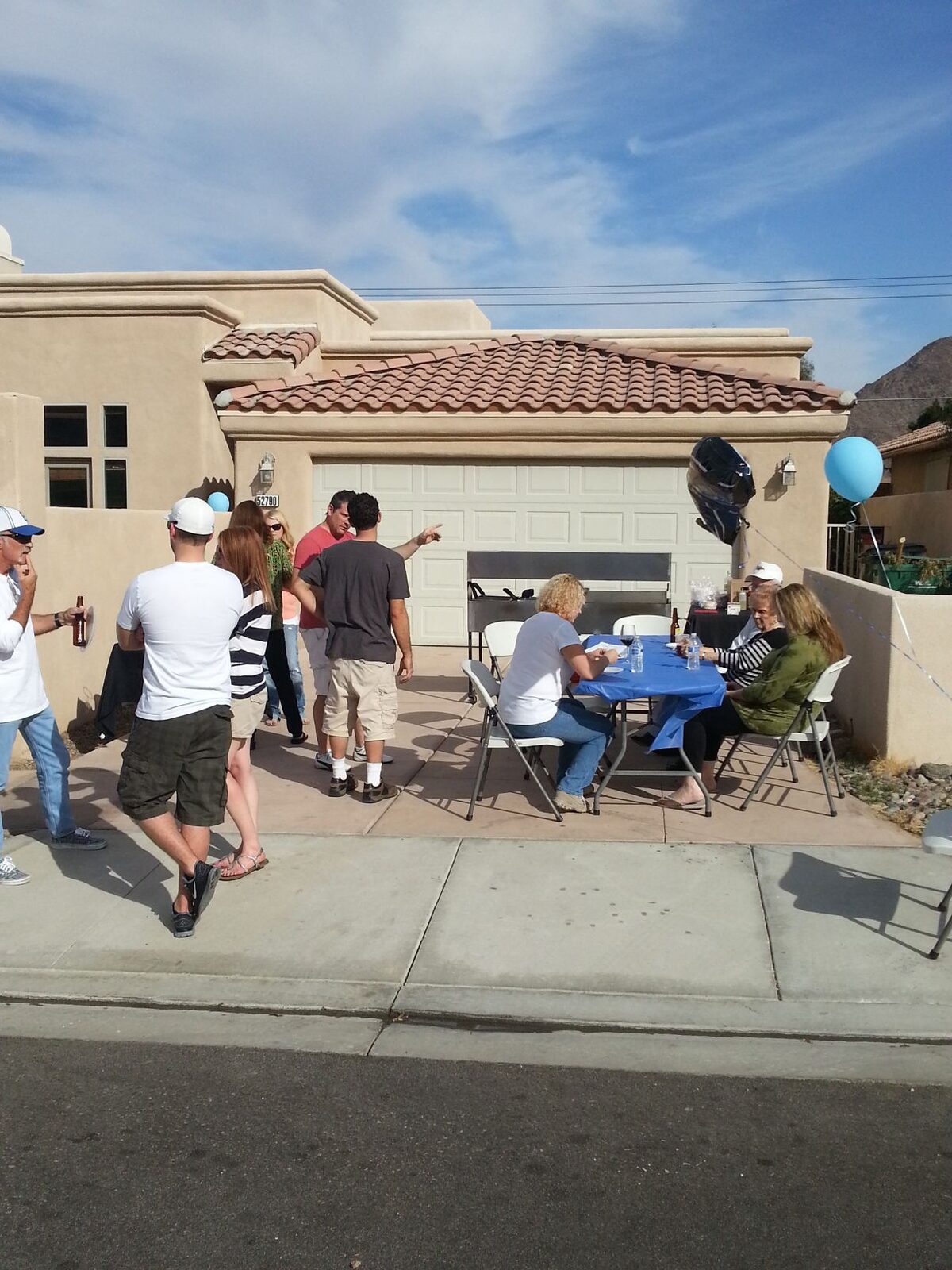
When Your Taco Catering Business Actually Needs a Website
How to tell when a taco caterer actually needs a website, what a first site should include, and when Instagram is still enough.
You have typed out your menu and prices so many times this week you could do it in your sleep. Someone finds your Instagram, likes the food, then messages to ask the same three questions you already answered in your last five posts. Meanwhile a caterer with worse tacos keeps landing the weddings and company lunches, and you cannot figure out why.
So you start wondering whether a website would fix any of this, or whether it is just a few hundred dollars you will never see again. The real question is not whether a site can help. It is whether it is worth it for you yet.
What a Website Actually Does for You
A website will not book gigs for you on its own. What it does is answer the questions people ask before they are willing to call, so the next step feels easy instead of like work.
Someone who just found you wants to know a few things before they hand over their event.
- Do you cater my kind of event, like a wedding, a quinceañera, or a company lunch
- Which areas do you actually serve
- What food and packages do you offer, and roughly what does it cost
- What your real setup and food look like, so they can picture it at their party
- Can they trust you with something that matters to them
- How do they ask for a quote without a long back-and-forth
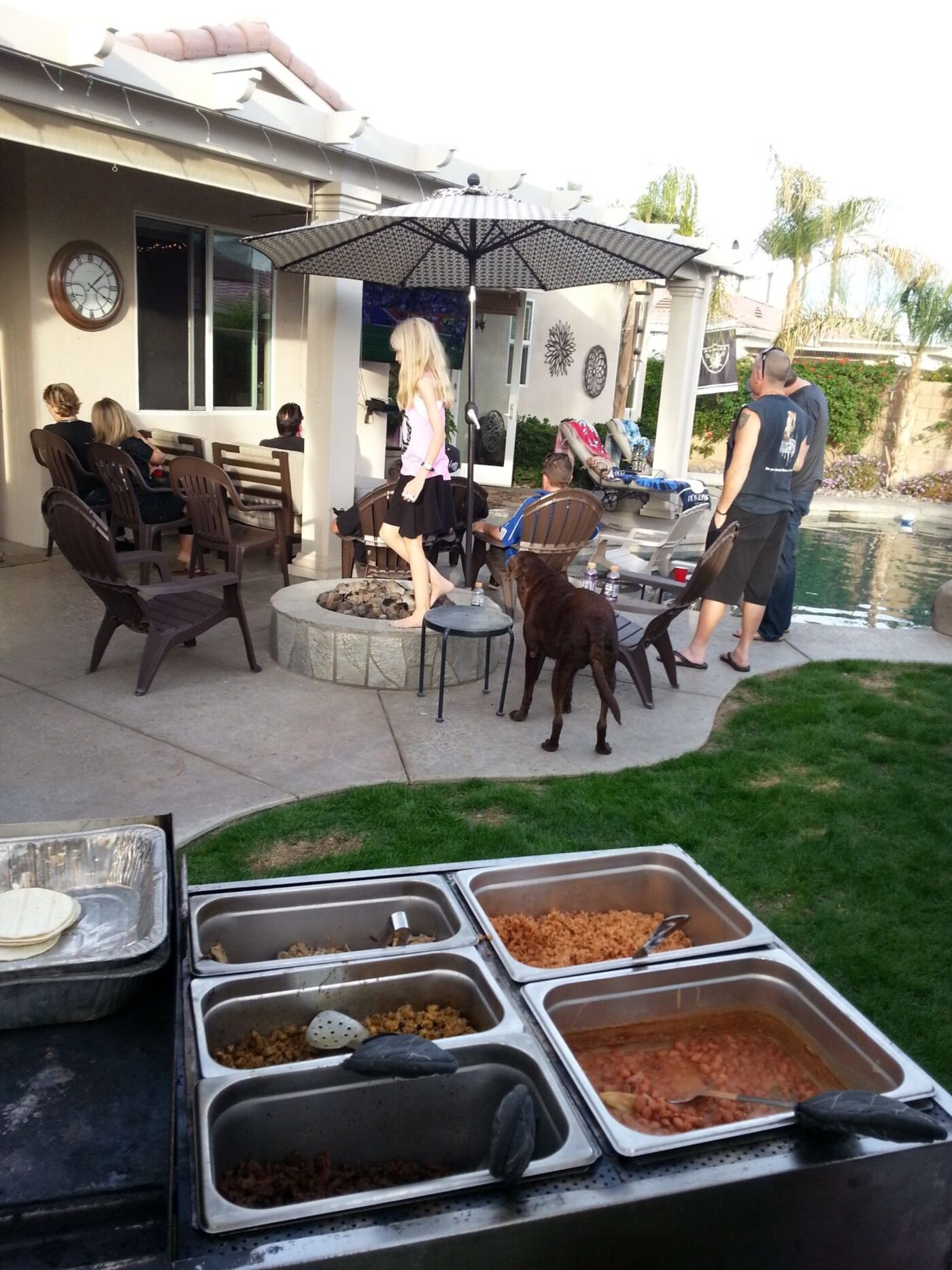
Answer those clearly and you stop being a phone number someone has to chase. You become a business they already feel okay handing their party to.
Instagram Shows Your Work, a Website Organizes Your Business
You have probably wondered if Instagram already does the job, since it is free and you post there anyway. It shows your food and setup well, and for a caterer that visual proof carries real weight. The trouble is what Instagram cannot do. You get moments, not a place that organizes your business or spells out where you work and what you charge.
Set them side by side and the gap is easy to see.
| What you need | Your own website | |
|---|---|---|
| Show your food and setup | Great at this | Good, with room for a full gallery |
| Show up on Google in your area | Limited and patchy | Built for it, with pages Google can match |
| Menu, packages, and area in one place | Buried in old posts and the bio | On one clear page anyone can find |
| Take a quote without a text thread | Only through DMs | A simple form that reaches you day or night |
| Earn trust in about thirty seconds | Depends on scrolling | A clean page that answers the basics fast |
None of this means you delete Instagram. Keep posting, keep showing the grill and the crowds. A website just gives all of it a home that Google and a first-time customer can actually read.
What Your Site Tells Google
Here is something that changed recently. Google can now read some public Instagram posts, and geotagged ones can even show up in local searches. That is real, but it is patchy. It leaves out your Stories, it depends on your account settings, and those posts usually sit below businesses that have a clear site.
More posting alone will not fix that. What helps is a set of clear pages Google can understand, one for what you do and one for each area you serve.
A simple site can spell out the things Google needs to place you.
- The main thing you do, which is on-site taco catering cooked from the grill
- The cities and areas you serve
- The events you handle, from weddings to company lunches
- Your business name, phone, and how to reach you
- The link between your site and your Google Business Profile, the free listing that shows you on Google Maps
Say it in plain, specific language and you give Google a story it can match to what people type. Your profile, your reviews, and your site then point the same direction.
The Signs You Actually Need One
You do not need a website the day you start. A few clear signs tell you when it has turned into the thing holding you back.
- Customers keep asking the same basic questions you have answered a hundred times
- You serve more than one city and want to be found in each
- Searching your own name on Google turns up little or nothing
- Bigger jobs keep going to caterers who mostly just looked more established
- A real quote form would beat another long text thread
- Packages and starting prices deserve one clear place people can read
If two or three of those sound like your week, a site is no longer a maybe. It has turned into the cheapest fix for the money you are leaving on the table.
Start With Five Pages, Not Fifty
A first site does not need to be big. Five pages cover what a customer needs before they book.
1. Home
Says what you do, where you work, and why to keep reading.
2. Menu or Packages
Shows what people can book and roughly what it costs.
3. Photo Gallery
Real shots of your setup and food, never stock images.
4. About
Shows the person behind the grill and why they can be trusted.
5. Contact
A simple quote form for dates, details, and pricing.
Then grow
Add more once the first version is earning its keep.
That is enough to give a stranger a clear path from finding you to asking for a quote. You can always add more once the first version is earning its keep.
Simple is the point, so skip the parts that only slow you down. You do not need fancy animations, a giant blog, or stock photos of food you did not cook. A design that copies every wedding site out there does you no favors either. Skip the empty lines too, the ones like “we provide unforgettable experiences for all occasions.” Say what you really do. You bring on-site tacos, cooked right there off the grill, to weddings, birthdays, graduations, and company lunches across your area.
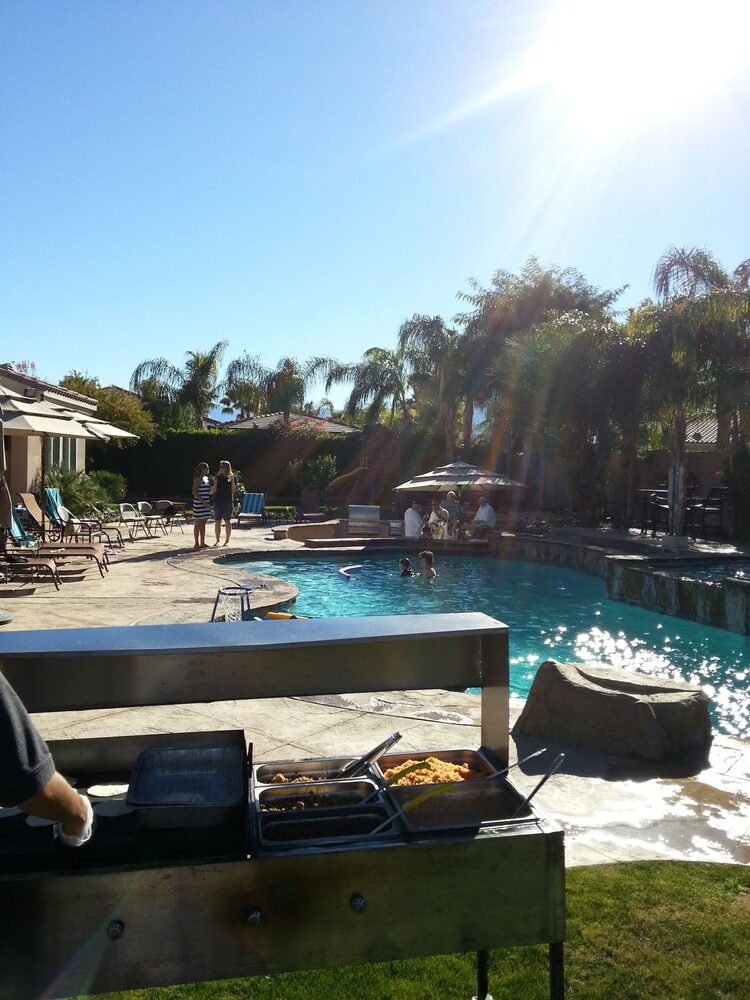
Adding City Pages Later
Once the basics work, city pages help you get found in more than one town. Each one gives a single city its own page, written for the people searching there. Done right, it never reads like a copy with the city name swapped in. Start with the three to five cities where you already work or want more gigs, then add others as you grow. For the full breakdown, read How to Show Up When Someone Searches for Taco Catering in Your City.
When It Is Worth It, and When It Can Wait
If word of mouth already fills every weekend and you are turning away work, a website can wait. Nothing is broken yet, and spending on it now would be fixing a problem you do not have.
But maybe you want strangers to find you, size you up, and trust you before they ever text. That is exactly the gap a simple site closes. You stop looking like a phone number and start looking like the safe, established choice next to the caterer who only seemed more professional.
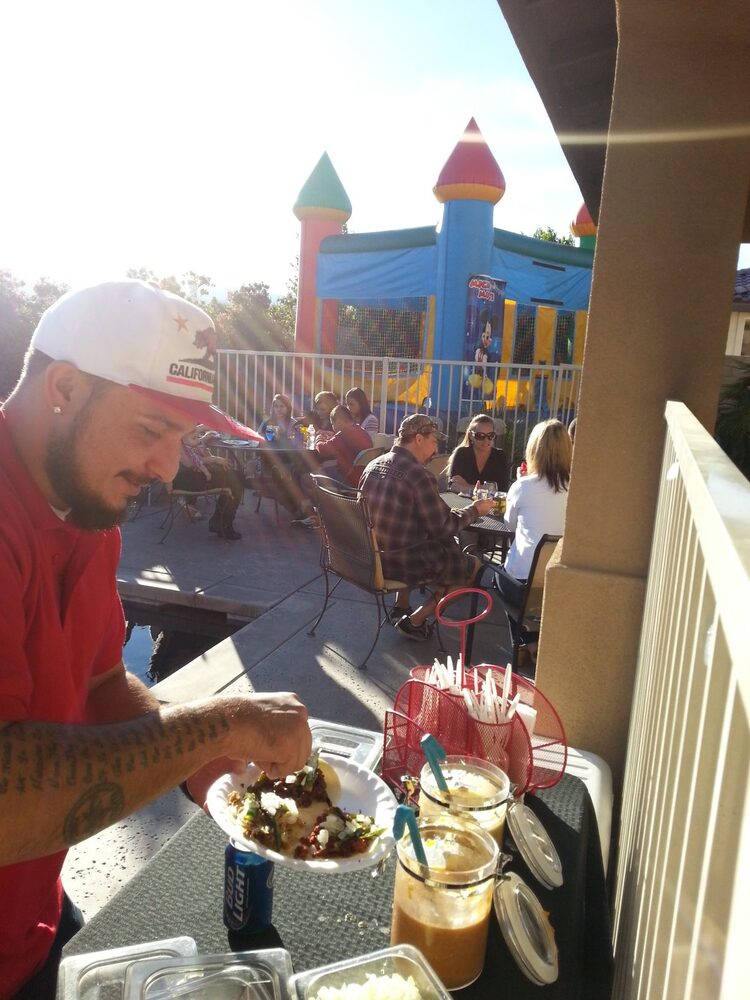
The bigger worry is usually time, not the build itself. You are booked on weekends and prepping on weekdays, so a do-it-yourself project would sit half finished for months. That is the case for handing it off. You send your city, your best event photos, and a few details, and someone builds the pages while you keep cooking.
Start small, build around what customers ask, and add city pages when you are ready. If you want a hand, I build websites and location pages for taco caterers. I ran a taco catering business myself for years before this, so I know the food and the bookings, not just the web part.
Keep Going
Get found city by city: How to Show Up When Someone Searches for Taco Catering in Your City
The bigger picture: Why Your Taco Catering Business Isn’t Showing Up on Google